Is the minimum wage in Egypt increasing to 15,000 EGP? And what does the newly approved 8,500 EGP minimum mean for private-sector employees?
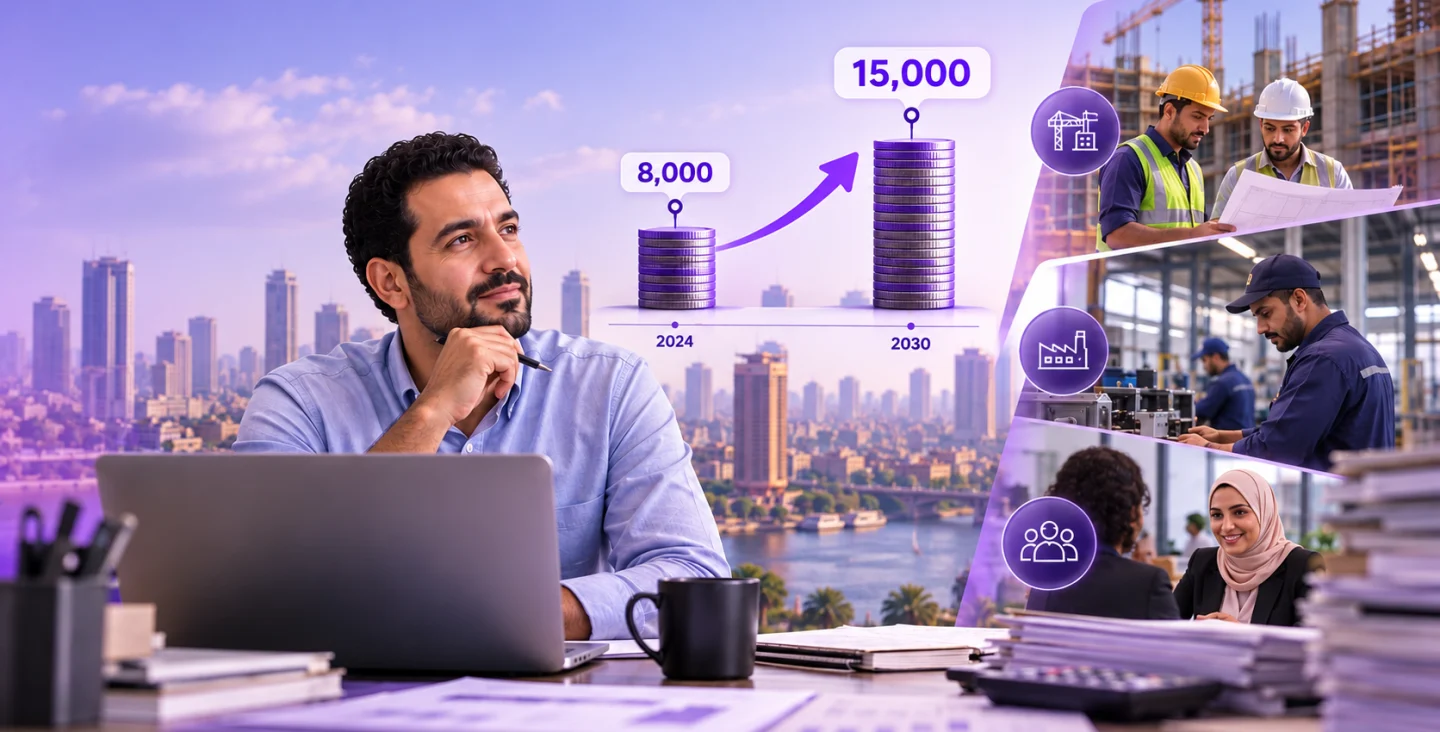
Following the government’s announcement in October 2026 about its plan to raise the minimum wage for state employees to 15,000 EGP by 2030, the National Council for Wages approved a separate increase for private-sector employees on November 15, 2026.
The new decision raises the private-sector minimum wage from 7,000 EGP to 8,500 EGP per month, effective January 1, 2027.
For now, the minimum wage remains 8,000 EGP per month for government employees and 7,000 EGP for private-sector employees until the end of December 2026.
This means there are two different developments to understand: an approved private-sector wage increase taking effect in January 2027, and a longer-term government target of 15,000 EGP for state employees by the end of fiscal year 2029/2030.
In this guide, we’ll explain the current and upcoming minimum wage rates, who they apply to, and how businesses can prepare for the changes.
In Short
On November 15, 2026, Egypt’s National Council for Wages approved an increase in the private-sector minimum wage from 7,000 EGP to 8,500 EGP per month, effective January 1, 2027. The council also approved a minimum annual periodic raise of 3% of the social insurance contribution wage, with a minimum of 350 EGP, and a minimum net hourly wage of 34 EGP for qualifying temporary and part-time workers. Meanwhile, the government minimum wage remains 8,000 EGP, with a longer-term target of 15,000 EGP by the end of fiscal year 2029/2030. For employers, the priority is to review payroll budgets, prepare for the new private-sector rate, and follow official implementation requirements.
What Is the Minimum Wage in Egypt in 2026?
The minimum wage in Egypt is not the same for every employee. Government and private-sector workers have different minimum wage rates, which are set through separate decisions.
If you’re wondering how much the minimum wage in Egypt is right now, here’s a quick breakdown:
| Employment Sector | Monthly Minimum Wage | Effective Date |
| Government employees | EGP 8,000 | July 2026 |
| Private-sector employees (current) | EGP 7,000 | March 2025 |
| Private-sector employees (new) | EGP 8,500 | January 2027 |
| Future target for government employees | EGP 15,000 | By the end of fiscal year 2029/2030 |
Note: The 8,500 EGP private-sector minimum has been approved but will not take effect until January 2027. The 15,000 EGP government minimum remains a future target.
Current Minimum Wage for Government Employees
The minimum wage for government employees increased from 7,000 EGP to 8,000 EGP per month in July 2026.
The increase was part of a broader package that included periodic salary raises and additional incentives to support public employees. However, this does not mean every government employee earns 8,000 EGP.
Under Prime Minister’s Decree No. 2170 of 2026, 8,000 EGP is the minimum total monthly wage for employees in the sixth grade. Higher job grades have different minimum rates, reaching 14,500 EGP for the highest grade. Simply, the exact amount an employee receives depends on their job grade, salary structure, and applicable deductions.
Current Minimum Wage for Private-Sector Employees
The current private-sector minimum wage in Egypt is 7,000 EGP per month. This rate took effect on March 1, 2025, following a decision by the National Council for Wages.
However, on November 15, 2026, the council approved a new increase, raising the minimum wage for private-sector employees to 8,500 EGP per month, effective January 1, 2027.
This represents a monthly increase of 1,500 EGP, or approximately 21.4%, compared with the current minimum.
The new decision applies specifically to the private sector. It is separate from the government’s longer-term plan to increase the minimum wage for state employees to 15,000 EGP by 2030.
For businesses, this means reviewing salary structures, identifying employees who may be affected, and preparing payroll budgets ahead of the January implementation date. Employers should also monitor official guidance on how the new minimum will be applied.
Minimum Wage vs. Take-Home Salary: What Is the Difference?
When discussing salary increases, it’s important to understand three terms:
- Minimum wage: The lowest wage set under the legal rules that apply to an employee.
- Gross salary: The employee’s pay before deductions. It may include basic salary, allowances, and incentives, depending on the salary structure.
- Net salary (take-home pay): The amount employees actually receive after applicable taxes, social insurance contributions, and other deductions.
Employers should also remember that not every salary component is necessarily treated the same way when calculating the legal minimum wage.
Egypt’s Plan to Increase the Minimum Wage to 15,000 EGP by 2030
On October 24, 2026, Prime Minister Mostafa Madbouly announced plans to gradually increase the minimum wage for state employees from 8,000 EGP to 15,000 EGP.
The announcement came during the closing session of Egypt Forum 2026, held in the New Administrative Capital.
According to the government’s statements, the target is expected to benefit approximately 4.5 million employees in the state’s administrative apparatus.
The planned increase aims to improve employee incomes and help workers manage rising living costs. It also forms part of the government’s wider economic and social priorities for the coming years.
However, there’s an important distinction between announcing a wage target and issuing an official decision that makes a new minimum wage mandatory.
The October announcement outlines what the government aims to achieve. It does not mean that employees will immediately start receiving 15,000 EGP.
When Could the 15,000 EGP Minimum Wage Take Effect?
The government aims to reach 15,000 EGP by the end of fiscal year 2029/2030, which ends on June 30, 2030. The increase is expected to happen gradually rather than through a single adjustment.
However, as of November 2026, the government has not announced a detailed implementation schedule.
Several questions remain unanswered, including:
- How much the minimum wage will increase each year.
- When each stage of the increase will take effect.
- How the increases will apply across government job grades.
- How salary components and incentives will be calculated under future decisions.
For now, employees and employers should rely on official announcements rather than treating proposed amounts or expected dates as confirmed decisions.
How Much Would the Minimum Wage Increase?
If the government achieves its target, the minimum wage for state employees would increase by 7,000 EGP compared with the current rate.
Here’s how the figures compare:
| Comparison | Amount |
| Current minimum wage for state employees | EGP 8,000 |
| Target minimum wage by 2030 | EGP 15,000 |
| Total difference | EGP 7,000 |
| Total percentage increase | 87.5% |
Moving from 8,000 EGP to 15,000 EGP represents an overall increase of 87.5%.
But this does not mean every government employee will receive an individual salary increase of 7,000 EGP.
That figure represents the difference between the current and target minimum wage levels.
The actual increase for each employee will depend on their existing salary, job grade, and the decisions issued over the coming years.
It’s also important to remember that 87.5% is the total proposed increase over the period, not an annual salary increase.
Minimum Wage in Egypt: Government vs. Private Sector
Following the October announcement about the 15,000 EGP government target, one of the main questions was whether private-sector employees would receive the same increase.
The 15,000 EGP target is still intended for state employees. However, a separate minimum wage increase has now been approved for the private sector.
On November 15, 2026, the National Council for Wages approved raising the private-sector minimum wage to 8,500 EGP per month, starting January 2027.
Government and private-sector minimum wages are set through different frameworks, so increases do not automatically apply to both sectors.
Does the 15,000 EGP Target Apply to Private Companies?
No. The government’s target of reaching 15,000 EGP by 2030 applies to state employees and does not automatically create a new minimum wage requirement for private companies.
Private-sector employers must follow the minimum wage decisions that apply specifically to their sector, alongside their other employment and contractual obligations.
For example, when the government minimum wage increased to 8,000 EGP in July 2026, the private-sector minimum remained 7,000 EGP.
The new council decision establishes a separate 8,500 EGP minimum for private-sector employees from January 2027.
Who Decides Private-Sector Minimum Wage Increases?
The National Council for Wages is responsible for setting the minimum wage for private-sector employees in Egypt.
When reviewing wage levels, the council considers factors such as economic conditions, living costs, employee needs, and businesses’ ability to manage higher labor costs.
In February 2025, the council approved an increase in the private-sector minimum wage from 6,000 EGP to 7,000 EGP, effective March 2025. It also approved a periodic annual raise of at least 3% of the social insurance contribution wage, with a minimum of 250 EGP.
In November 2026, the council approved a further increase to 8,500 EGP, effective January 2027, alongside updates to the annual periodic raise and minimum hourly wage.
Are Private Companies Required to Apply the New 8,500 EGP Minimum Wage?
Yes. The National Council for Wages approved raising the private-sector minimum wage to 8,500 EGP per month, effective January 1, 2027.
Until the end of December 2026, the current minimum remains 7,000 EGP.
Employers should begin reviewing employee salaries, updating payroll records, and planning for the additional costs before the new rate takes effect.
They should also follow any official implementation guidance to ensure the increase is applied correctly.
What Are the New Annual Raise and Hourly Wage Requirements for 2027?
The November 2026 decision also introduced two important updates for private-sector employees:
- Annual periodic raise: A minimum of 3% of the employee’s social insurance contribution wage, with a minimum of 350 EGP. This applies from the 2027 financial year, according to each company’s accounting year.
- Minimum hourly wage: 34 EGP net per hour for workers in jobs that are temporary by nature or who work part-time.
These changes are particularly relevant for businesses that employ temporary workers, part-time staff, or large teams with different employment arrangements.
HR and finance teams should review their salary structures and employment arrangements to understand how the requirements affect their workforce, while following the official implementation rules.
How Will Minimum Wage Increases Affect Employees in Egypt?
Higher Wages and the Rising Cost of Living
A higher minimum wage can help employees cover more of their monthly expenses, especially as the cost of essential goods and services increases. But the impact of a salary increase depends on more than the amount added to an employee’s pay.
For example, if someone’s salary increases by 10%, but the prices of their essential expenses rise by more than 10%, they may still struggle to manage their budget.
This is why it’s important to distinguish between a higher salary and stronger purchasing power. The first refers to how much money an employee earns. The second reflects what that money can actually buy.
How Wage Increases Affect Take-Home Pay
A higher gross salary does not always mean employees will receive the full increase in their bank accounts or salary cards.
Taxes, social insurance contributions, and other applicable deductions can affect the final amount. When salary structures change, some deductions may change as well.
Employees should therefore review both their gross and net salaries to understand how much their take-home pay has increased.
Why Reliable, Timely Salary Payments Still Matter
Salary increases can support employees’ financial wellbeing, but payroll reliability is just as important. Employees have regular financial commitments, including rent, bills, installments, transportation, and household expenses.
When salaries arrive late, even employees earning a reasonable income may struggle to plan their spending.
For employers, this highlights two priorities: making sure salaries meet current legal requirements and ensuring employees receive their wages on time.
What Should Egyptian Businesses Do to Prepare for Salary Changes?
With the private-sector minimum wage set to increase to 8,500 EGP in January 2027, businesses now have a confirmed date to prepare for.
Early planning can help HR and finance teams manage the additional payroll costs, update employee records, and ensure salary payments are ready for the new requirements.
Here are four practical steps businesses can take.
Review Salary Structures and Payroll Budgets
Start by identifying how many employees currently earn below the new 8,500 EGP minimum wage and reviewing the potential impact on your payroll budget.
Consider current salaries, social insurance contributions, allowances, bonuses, incentives, and overtime payments.
Example: How the New Minimum Wage Could Affect Payroll Costs
Imagine a manufacturing company with 100 employees, each currently earning 7,000 EGP per month.
If each employee’s gross salary increases to 8,500 EGP, the additional payroll costs would look like this:
| Item | Amount |
| Number of employees | 100 |
| Current gross salary per employee | EGP 7,000 |
| Assumed new gross salary per employee | EGP 8,500 |
| Increase per employee | EGP 1,500 |
| Additional monthly gross wages | EGP 150,000 |
| Additional annual gross wages | EGP 1,800,000 |
Important: This example assumes all 100 employees currently earn 7,000 EGP and that each employee’s gross salary increases to 8,500 EGP. Actual additional costs will depend on existing salaries, applicable wage calculation rules, and other employment expenses. The example excludes potential changes to employer social insurance contributions and related costs.
Check Employment Contracts and Wage Compliance
Review employment contracts and salary terms to make sure they meet the legal requirements that apply to each employee.
Pay particular attention to employees earning close to the current minimum wage, as they may be the most affected by future changes.
Update Payroll Records and Employee Communications
Any salary adjustment should be reflected accurately in employee payroll records.
Before making payments, HR and finance teams should confirm that employee information, salary amounts, allowances, and deductions are up to date.
It’s also important to communicate changes clearly.
Employees should understand when an increase takes effect, how it affects their gross salary, and whether their take-home pay will change.
This becomes even more important for businesses with multiple branches, shift workers, and a mix of permanent, temporary, and seasonal employees.
How dopay Helps Businesses Manage Payroll in Egypt
As wage requirements change, HR and finance teams may face more work, especially in companies that manage salaries for large numbers of employees.
This is where dopay can help.
With dopay, companies can manage and track digital salary payments after determining employee wages, deductions, and final amounts due.

 Guide